Find Flexible Downspout Leaf Filter for Roof Drainage, Gutter Protection, and Rainwater Harvesting
Compare the Flexible Downspout Leaf Filter options available from global suppliers, including plastic drainage diverters and industrial pressure filter systems. Review dimensions, materials, MOQs, and customization choices to match your rainwater drainage or filtration sourcing needs.
Key considerations
Products List
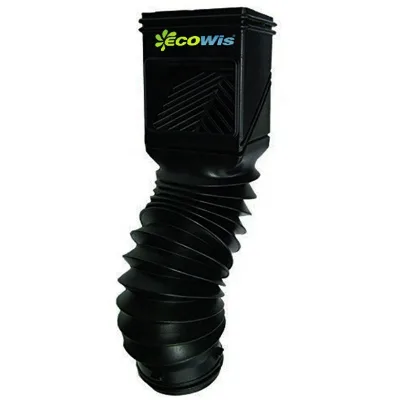

$200.00 - $6000.00
MOQ: 1 Pieces


Comprehensive Sourcing Guide
Flexible Downspout Leaf Filter Sourcing Guide
Procuring flexible downspout leaf filters requires a nuanced understanding of material properties, installation constraints, and filtration efficiency. These devices are designed to intercept debris such as leaves, twigs, and sediment before it enters the drainage system, thereby preventing clogs and reducing maintenance frequency. Buyers must distinguish between rigid metal guards and flexible polymer or mesh-based solutions, as the latter offer distinct advantages in adaptability and ease of installation. The core value proposition lies in the filter’s ability to conform to irregular downspout shapes while maintaining structural integrity under environmental stress.
This guide focuses on the specific attributes observed in current market listings, particularly those involving plastic-based flexible filters and industrial-grade leaf filtration systems. While consumer-grade downspout guards are common, the supply chain also includes specialized industrial leaf filters used for solid-liquid separation in processing environments. Understanding the divergence between residential drainage aids and industrial filtration equipment is critical for accurate sourcing. Buyers must align their procurement strategy with the specific operational demands of their project, whether it involves simple residential gutter protection or complex industrial waste management.
Product Scope and Observed Listing Signals
The current market landscape for flexible downspout filters reveals a diverse range of products, primarily characterized by plastic construction and flexible design features. Listings indicate that these filters are engineered to easily bend and hold their shape, allowing for a secure fit within standard downspouts without the need for complex mounting hardware. The observed product attributes highlight a focus on user-friendly installation, with materials selected for durability and resistance to weathering. The presence of multiple color options, such as black, white, green, blue, and silver, suggests that aesthetic integration with building exteriors is a significant consideration for end-users.
In addition to residential-grade flexible filters, the supply data includes industrial leaf filtration systems, which operate on similar principles but at a much larger scale. These industrial units, often constructed from stainless steel or carbon steel, utilize pressure filtration mechanisms for applications requiring solid-liquid separation, oil impurity removal, and oil-water separation. While the core keyword focuses on flexible downspout filters, it is essential to recognize that the term "leaf filter" in industrial contexts refers to plate-and-frame or leaf-type filters used in chemical, pharmaceutical, and food processing industries. Buyers must carefully differentiate between these two distinct product categories to avoid procurement errors.
Technical Specifications to Verify
When evaluating flexible downspout filters, buyers should prioritize dimensional compatibility and material resilience. The observed specifications for a representative product indicate dimensions of 13.2 inches by 4.8 inches, which may correspond to specific downspout sizes or filter profiles. It is crucial to verify that the filter’s flexible nature does not compromise its structural stability during heavy rainfall or high-velocity water flow. The material composition, typically plastic for consumer-grade filters, should be assessed for UV resistance and temperature tolerance to ensure long-term performance in varying climatic conditions.
For industrial leaf filters, technical verification extends to filtration area, working pressure, and material grade. Specifications such as a filtration area ranging from 1 to 100 square meters and working pressures between 0.1 and 0.5 MPa are critical for process engineering. The mesh plate material, often specified as 316 stainless steel, and the leaf filter plate material, typically SS304, dictate the filter’s resistance to corrosion and chemical attack. Buyers must confirm that the selected filter’s mechanical principle, such as pressure filtration, aligns with their system’s hydraulic requirements and that the cake volume and tank volume capacities meet their operational throughput needs.
Compliance and Safety Documentation
Compliance and safety documentation for flexible downspout filters often involve material safety data sheets (MSDS) and environmental compliance certificates, particularly if the plastic components contain recycled materials or specific additives. Buyers should request documentation that verifies the absence of harmful substances, ensuring that the filters do not leach chemicals into the drainage system or surrounding soil. For industrial leaf filters, compliance with pressure vessel standards and material traceability certificates are paramount. The use of stainless steel grades like 316SS and SS304 must be verified through mill certificates to ensure that the material meets the specified mechanical and chemical properties.
Safety considerations also extend to the installation and maintenance of these filters. Flexible downspout filters should be designed to minimize the risk of injury during installation, with smooth edges and secure fitting mechanisms. Industrial leaf filters, operating under pressure, require rigorous safety protocols to prevent leaks or ruptures. Buyers should verify that the supplier provides clear installation guidelines and maintenance schedules, including recommendations for cleaning the filter mesh or replacing filter cloths. The availability of after-sale service, such as engineers available to service machinery overseas, is a critical factor for industrial buyers relying on continuous operation.
Cost Drivers and Commercial Terms
The cost of flexible downspout filters is influenced by material quality, manufacturing complexity, and order volume. Plastic filters with flexible designs may have lower unit costs but can vary significantly based on the thickness and durability of the polymer used. The observed minimum order quantity (MOQ) of 200 pieces for a specific product indicates that bulk purchasing may be necessary to achieve competitive pricing. Buyers should also consider the cost of customization, as some suppliers offer tailored solutions for specific downspout dimensions or branding requirements, which can impact the final price.
For industrial leaf filters, cost drivers include the filtration area, material grade, and customization level. The overall dimension depends on the filtering area, and larger units with higher capacities will naturally command higher prices. The use of high-grade stainless steel and complex mechanical components, such as feed pumps and filter cloths, adds to the manufacturing cost. Buyers should negotiate commercial terms that include clear definitions of customization, packing methods (such as wooden cases for industrial units), and warranty provisions. Understanding the total cost of ownership, including maintenance and replacement parts, is essential for accurate budgeting.
Supplier Qualification and Quality Control
Supplier qualification for flexible downspout filters should focus on manufacturing capabilities and quality assurance processes. Buyers should verify that the supplier has a proven track record in producing durable, flexible plastic products and can provide samples for testing. The observed product attributes, such as the ability to bend and hold shape, should be validated through physical testing. For industrial leaf filters, supplier qualification involves assessing their engineering expertise, production facilities, and ability to meet custom specifications. Suppliers with a history of providing customized solutions and overseas service support are preferable for complex industrial applications.
Quality control measures should include rigorous inspection of material properties, dimensional accuracy, and functional performance. For plastic filters, this may involve testing for flexibility, tensile strength, and UV resistance. For industrial leaf filters, quality control should encompass pressure testing, material certification verification, and assembly inspection. Buyers should request quality control reports and, if possible, conduct third-party inspections before shipment. The condition of the product, typically new, and the availability of customization options should be confirmed to ensure that the delivered goods meet the specified requirements.
Long-Term Procurement Checks
Long-term procurement checks for flexible downspout filters involve monitoring product performance and supplier reliability over time. Buyers should establish a feedback loop to assess the filter’s durability, ease of cleaning, and effectiveness in preventing clogs. Regular reviews of supplier performance, including delivery times, communication, and after-sale support, are essential for maintaining a stable supply chain. For industrial leaf filters, long-term checks should include monitoring filtration efficiency, maintenance frequency, and the availability of spare parts. Suppliers who offer continuous improvement and responsive support are valuable partners for long-term procurement.
Additionally, buyers should stay informed about industry trends and technological advancements in filtration materials and designs. The availability of new materials with enhanced durability or environmental benefits may present opportunities for upgrading existing systems. Buyers should also consider the environmental impact of their procurement choices, opting for suppliers who prioritize sustainable manufacturing practices and recyclable materials. By maintaining a proactive approach to supplier management and product evaluation, buyers can ensure that their procurement strategy remains aligned with their operational needs and sustainability goals.
FAQs
What are the dimensions of this Flexible Downspout Leaf Filter?
The filter measures 13.2 inches by 4.8 inches and weighs 12 ounces. It is made of plastic, sold as a single item, and is designed to bend easily while holding its shape so it fits different downspout configurations in residential drainage setups.
Which colors are available for the Ecowais downspout leaf filter?
The listed Ecowais drainage filter for downspouts is offered in black and white. Availability can vary by production batch, so buyers should confirm the current color options with the supplier before placing an order, especially for larger volumes.
What is the minimum order quantity for this downspout filter?
The minimum order quantity is 200 pieces, and the selling unit is a single item. Buyers needing trial quantities should discuss sample options with the supplier, since the standard MOQ is set for bulk procurement of this model.
How does the filter hold its shape in a downspout?
The plastic construction allows the filter to bend easily and hold its shape once positioned. This flexibility helps it adapt to angled or curved downspout sections while keeping the filter media in place to catch leaves and debris during rain.
Can the Flexible Downspout Leaf Filter be customized?
Yes, customization is available for this product. Buyers can typically discuss changes such as color, packaging, or product markings with the supplier. Since the item originates from Zhejiang, China, confirm customization scope, cost, and any added lead time before ordering.
What is the model number and brand of this leaf filter?
The product is branded Ecowais, named Drainage Filter for Downspouts, and carries model number HT5082A. Each package contains one unit, and the item package quantity is one, making it straightforward to calculate carton requirements when ordering at the 200-piece MOQ.
How should buyers evaluate the plastic material for outdoor use?
The filter is made of plastic, which keeps it lightweight at 12 ounces and easy to bend into position. Buyers planning long-term outdoor installation should ask the supplier about weather resistance and UV stability for prolonged sun exposure in their climate.
Where is this downspout leaf filter manufactured?
The product's place of origin is Zhejiang, China. Buyers sourcing from this region should factor international shipping, packaging in single-item units, and customs handling into total landed cost, particularly when ordering the 200-piece minimum quantity.